No U.S. Apology or Compensation Coming for Iran Girls School Strike
Tragic and horrifying accidents happen in the fog of war. Over the past 30 years, the United States has often offered apologies or even cash to the innocent civilian victims of its military strikes gone wrong. Washington expressed regret and paid compensation during the 1999 Kosovo campaign, after the controversial 2001 collision between an American surveillance plane and a Chinese fighter jet, and throughout the U.S. wars in Afghanistan and Iraq.
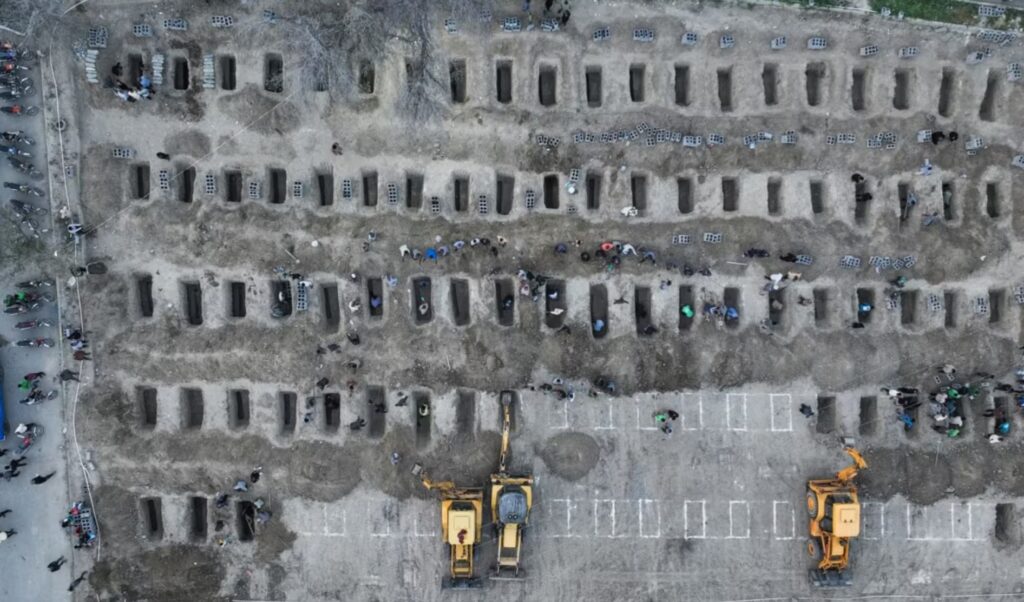
But no such apology and compensation for the slaughter at the Minab girls school will be forthcoming from President Donald Trump. After days of blaming Iran itself for the killings of 175 students and staff there, Trump responded to the Pentagon’s admission of culpability for the mistaken targeting of the school by pathetically claiming, “I don’t know about it.” But it’s not merely Trump’s ego and utter lack of basic decency that prohibit him from simply acknowledging America’s heartbreaking error. With thousands of civilian casualties in what has metastasized into a regional conflict and global economic crisis, Trump will doubtless remain unrepentant for his unprovoked and undeclared war of choice.
All of which makes the carnage at the Minab girls school dramatically different from the bombing of the Chinese embassy in Belgrade.
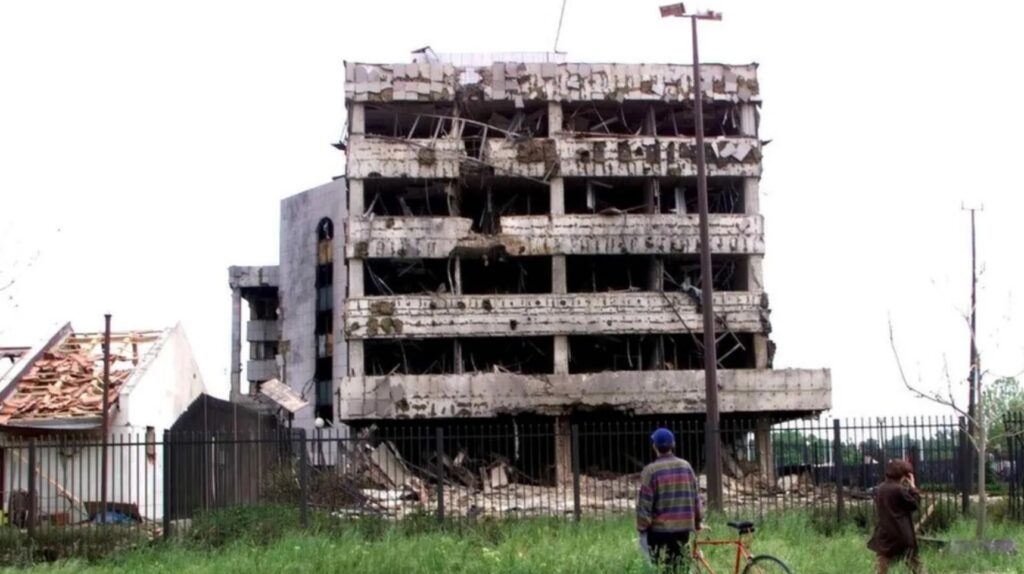
During the 1999 NATO campaign to prevent the slaughter of Kosovar Albanians by Serbia, the United States launched thousands of strikes against military and Milosevic regime targets. But on May 7, 1999, one of those mistakenly hit the Chinese embassy by mistake in a targeting error that confused the building with a Serbian army supply center. Three people were killed and another 20 injured. Given the stakes for the campaign in Europe and American-Chinese relations, President Bill Clinton did not hesitate to apologize for “the tragic bombing.” As he put it at a White House event three days later:
“I have already expressed our apology and our condolences to President Jiang and to the Chinese people. And I have reaffirmed my commitment to strengthen our relationship with China.
But I think it's very important to remember that this was an isolated, tragic event, while the ethnic cleansing of Kosovo, which has led to the killing of thousands of people and the relocation of hundreds of thousands, is a deliberate and systematic crime. Until NATO's simple conditions are met, therefore, the military campaign will continue.
But again, I want to say to the Chinese people and to the leaders of China, I apologize; I regret this. But I think it is very important to draw a clear distinction between a tragic mistake and a deliberate act of ethnic cleansing. And the United States will continue to make that distinction.”
Clinton’s ownership of the horrible accident did not end there. He dispatched Under Secretary of State Thomas Pickering to deliver a presentation to the Chinese government which included the detailed findings from the U.S. investigation into the tragedy in Belgrade. Ultimately, the United States paid $4.5 million in compensation to the victims’ families and another $28 million to Beijing for the damage to its embassy. (For its part, China paid $2.87 million to the United States for damage to American diplomatic facilities caused by protesters there.)
With that diplomatic row averted, President George W. Bush faced an even more serious and complex crisis less than two years later. On April 1, 2001, a Chinese fighter plane collided with an American EP-3 surveillance plane over international waters near China. The Chinese pilot was killed when his plane crashed into the water. The damaged U.S plane issued a Mayday call before making an emergency landing on China’s Hainan Island. Beijing held the crew of 24 and soon stripped the American aircraft of its sophisticated spying gear.
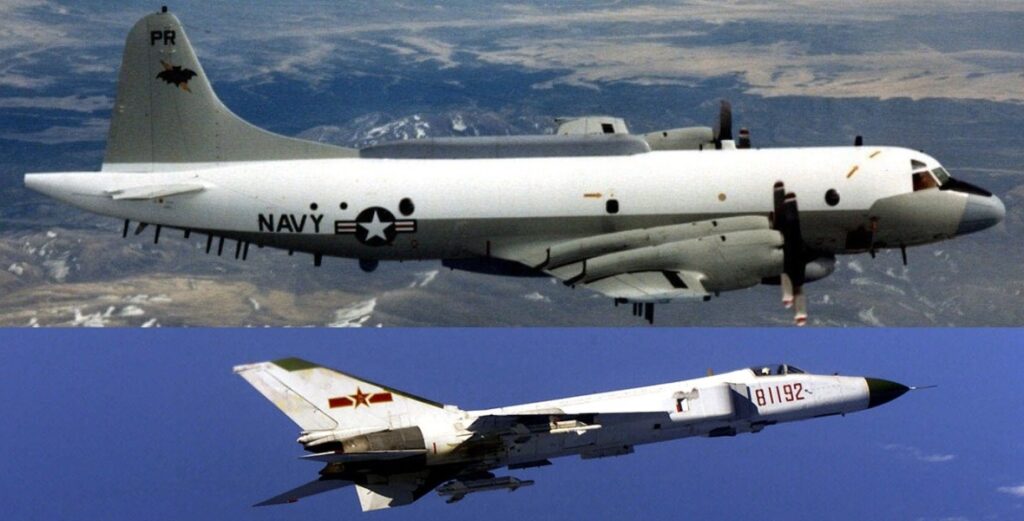
Defusing the tense face-off was a very delicate process. In this case, Washington put the blame squarely on the Chinese for their pilot’s reckless maneuvering in following the American plane. But a more assertive Beijing sought to end U.S. surveillance flights altogether while stoking rising nationalism at home. After 11 days, the stand-off was resolved after President Bush issued a statement of lament. “I know the American people join me in expressing sorrow for the loss of life of a Chinese pilot,” adding, “Our prayers are with his wife and his child.” More importantly, Secretary of State Colin Powell’s “letter of two sorries,” though not an admission of American responsibility. was accepted by China as an apology:
“Please convey to the Chinese people and to the family of pilot Wang Wei that we are very sorry for their loss…We are very sorry the entering of China's airspace and the landing did not have verbal clearance, but very pleased the crew landed safely. We appreciate China's efforts to see to the well-being of our crew.”
In this case, the United States paid no compensation, though Washington did cover the costs of the Chinese disassembly of the EP-3 aircraft and its return to the United States.
The needs of America’s counterinsurgency campaigns in Afghanistan and Iraq necessitated apologies and compensation payments for the deaths, injuries and damage inadvertently inflicted by U.S. military activity. Winning hearts and minds is difficult when you’re killing the very civilians your strategy requires you to protect. U.S. commanders on the ground in both countries distributed cash and “sympathy payments” to the families of those lost as collateral damage. Until the U.S. “surge” of forces in 2006 and 2007, such payments were uncommon in Iraq. (Note that those tortured at Abu Ghraib won a civil suit of $42 million.) But under General David Petraeus, the U.S. began paying Sunni tribal leaders to put their fighters on Uncle Sam’s payrolls. “Solatia” or reparations for unintended casualties and destruction by individual units became more routine. Such payments were more frequent in Afghanistan and Pakistan, though the amounts varied from as little as $130 to $4,500.
Which brings us back to the catastrophic American targeting error that led to the deaths of the 175 victims at the Shajarah Tayyebeh elementary school in Minab in southern Iran on February 28th. Senator John Kennedy (R-LA) drew bipartisan praise for simply acknowledging and expressing his regrets for the horror. Calling the strike a “terrible, terrible mistake,” the hardline Kennedy explained:
“Other countries do that sort of thing intentionally, like Russia. We would never do that intentionally. I think the department is investigating it now, and I’m sorry. I’m just so sorry it happened. It was a mistake.”
Don’t hold your breath waiting for similar statements of regret from President Trump, Secretary of Defense Pete Hegseth or Secretary of State Marco Rubio. Their unchanging posture—never retreat, always double-down—means no mea culpas and no money for the Minab victims’ families will be forthcoming. In one sense, their reticence is perhaps understandable. With the staggering destruction of Iranian infrastructure and the mounting civilian body count, how could American contrition stop there?